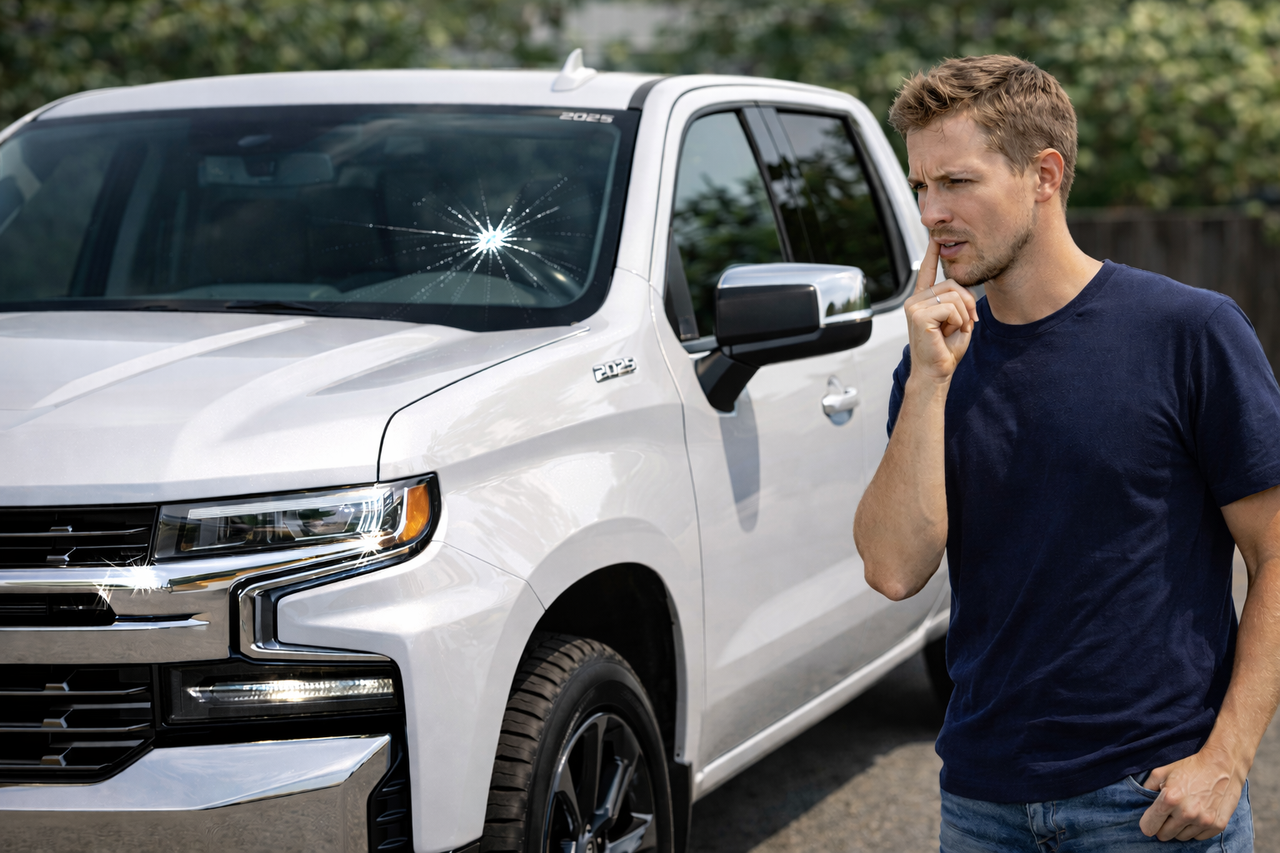
Cracked windshields and shattered side windows rarely pick a good day. If you drive around High Point long enough, you start to notice where the road salt piles up in winter, which stretches of Business 85 throw gravel, and which parking lots shed tree branches on a windy night. When glass fails, the first question that comes to mind is usually cost. Prices for auto glass replacement in High Point swing more than many people expect, often for reasons that aren’t obvious until you’ve worked on a few dozen vehicles. I’ve spent years writing estimates, ordering glass from warehouses in the Triad, and talking with technicians who do the work. The goal here is to unpack the variables that drive the bill, give realistic ranges, and help you decide when repair still makes sense.
The big picture: how pricing starts and where it goes
Every auto glass quote in High Point starts with three anchors: the vehicle, the glass part, and the service method. A 2010 Corolla windshield is an entirely different proposition from a 2022 F-150 with a heated windshield and a driver assistance camera mounted at the top. Side and rear glass have their own quirks. Mobile or shop service, same day or scheduled, insurance or out of pocket, each choice nudges the price up or down. The rest is parts availability, calibration requirements, and labor time. By the end of this article, the terms behind the numbers will make sense, and you’ll know how to talk to a shop so you’re not paying for features you don’t need.
Windshield vs. side vs. rear: not all glass costs the same
Windshields are laminated, two layers of glass fused to a polyvinyl layer that prevents shattering. Side and rear windows typically use tempered glass that breaks into small pellets on impact. That difference matters. Laminated windshields cost more to manufacture, and when advanced features are embedded, the price climbs further. Tempered side glass is less expensive per part, but the labor to disassemble door panels, reconnect window regulators, and vacuum out shards can offset the savings.
In High Point, a plain windshield on an older sedan without sensors often lands between 250 and 400 dollars installed. Step into late-model SUVs with rain sensors, solar coatings, and forward-facing cameras, and the windshield alone can list for 500 to 1,100 dollars. Once you add calibration, labor, and disposal fees, a total of 700 to 1,500 dollars is common on vehicles with driver assistance.
Side windows behave differently. A typical front door glass on a non-luxury model ranges from 200 to 350 dollars installed. Rear door glass can run similar, sometimes slightly higher if the glass has acoustic lamination or integrated antennas. Rear windshields vary more, especially if they include defroster grids, antenna elements, and complex curves. A straightforward rear glass might be 250 to 450 dollars, while larger hatchback or SUV glass often costs 400 to 800 dollars installed.
ADAS cameras and sensors: the modern cost multiplier
The single biggest price swing in windshield replacement today comes from Advanced Driver Assistance Systems. If your car has lane departure warning, forward collision alert, or adaptive cruise control, it likely uses a camera mounted behind the windshield. Some vehicles also integrate rain sensors, humidity sensors, and solar or IR coatings that look like a slight tint band at the top.
After replacing the windshield, the camera often requires calibration. There are two flavors. Static calibration uses targets and a level floor inside a shop, and takes 45 to 120 minutes, sometimes more. Dynamic calibration relies on a test drive at a steady speed on well-marked roads. Some cars need both. In High Point, static calibration equipment is more common at established shops with larger bays, while mobile technicians can complete dynamic calibrations when the vehicle supports it and road conditions allow. Calibration fees commonly add 125 to 300 dollars to the invoice, though certain brands, notably European manufacturers and some trucks with heated windshields and HUDs, can add more.
Beyond calibration, the glass specification must match. If your original windshield has an acoustic layer, a heated wiper park area, or a heads-up display, the replacement must be the same type or the systems will not function correctly. I’ve seen drivers accept a lower-cost aftermarket windshield without the HUD-compatible glass, only to return because the projected speed looks fuzzy. Saving 100 dollars wasn’t worth the strain in daily driving.
OEM vs. aftermarket glass: clarity, fit, and insurance angles
Most vehicles can accept either Original Equipment Manufacturer glass or aftermarket glass that meets federal safety standards. The differences come down to fit tolerances, optical quality, and brand. On many mass-market models, reputable aftermarket brands provide fine results. On vehicles with HUDs or more demanding ADAS setups, OEM is often the safer bet, because the optical properties are tightly controlled. A misaligned camera due to a slightly different bracket or glass curvature can lead to repeated calibration failures.
Price-wise, OEM can add 20 to 60 percent compared to aftermarket. Some insurers only cover aftermarket unless you pay for an OEM endorsement. If you call for a quote, ask the shop what brand they’re proposing. Pilkington, Saint-Gobain Sekurit, Guardian, and XYG are names you’ll hear. For true OEM, the glass arrives with the automaker’s logo and part number. For many daily drivers in High Point, quality aftermarket glass does the job. If you drive a BMW with HUD, or a Subaru or Honda that is particularly picky about camera alignment, OEM often prevents headaches.
Vehicle specifics: trim levels and production dates matter
Even within a single model year, a small change in trim can alter the glass. A base model may use a plain windshield, while the premium package adds acoustic glass, a shaded top band, or an infrared coating. Production splits happen mid-year. The difference between a 2020 built in March and the same model built in November can be a new bracket, a different sensor port, or a relocated VIN window. That is why a shop asks for the full VIN before quoting. The VIN decodes the exact part, cutting down on returns and reorders that delay service.
In practical terms, the more complex the trim, the higher the price and the longer the lead time. A standard sedan windshield might sit in stock at a Greensboro warehouse. A less common, premium variant could require a special order from Charlotte or Atlanta, with one to three business days of transit. The time is money issue appears here, because mobile auto glass in High Point depends on having the right glass ready for a same day run.
Repair or replace: when a chip is still a chip
Windshield repair in High Point remains a solid option if the damage is small. A typical rock chip smaller than a quarter, not in the driver’s direct line of sight, and without long cracks can often be filled with resin. A proper repair takes 30 to 45 minutes and costs 80 to 130 dollars. Some insurers waive the deductible for repair, because it prevents a more expensive replacement later. Repairs are not cosmetic miracles. You will still see a faint blemish, but the repair halts cracking and restores a large portion of the structural strength.
If the crack has spread beyond six inches, especially if it reaches the edge, replacement is the honest recommendation. Temperature swings in the Triad, cold mornings and sunny afternoons, grow small cracks into long ones in a few days. I’ve watched a harmless-looking star break near Peters Creek Parkway turn into a foot-long split after a car sat all afternoon at a High Point baseball tournament. If you can repair, do Side window replacement High Point it early. If you wait, the price climbs because the only choice becomes a new windshield.
Mobile service vs. shop service: convenience and calibration
Mobile auto glass in High Point exists for a reason. Most windshield and side window jobs can be handled in a driveway or office parking lot. The technician brings the glass, adhesives, and tools. For many vehicles, the work takes 60 to 90 minutes, then the adhesive needs a safe drive-away time, often 30 to 60 minutes depending on the urethane used and the weather. Mobile service saves you the trip, and in town the service fee is usually baked into the price. If you live farther out toward Archdale or Jamestown, a mileage fee might apply.
Shop service matters when the vehicle requires static calibration, when weather is unsuitable, or when the car needs extensive door panel work and interior cleaning due to shattered tempered glass. A level, controlled environment reduces comebacks. Prices between mobile and shop are often similar, but a shop can sometimes shave labor time on repeated procedures. When you see a quote that is 40 to 80 dollars higher for shop service, it often reflects the calibration bay and equipment costs rather than a mark-up for convenience.
Same day and emergency: paying for speed
Sometimes you can’t wait. A broken driver window before a morning commute, or a rear glass blown out in a storm, puts you in same day or emergency auto glass territory. In High Point, same day auto glass is available for common parts if you call early. Prices can be 10 to 20 percent higher for the rush, and it is worth it to secure the vehicle. Emergency auto glass services after hours or on weekends charge a call-out fee, often 75 to 150 dollars on top of the base rate. If the shop can temporarily secure the opening with heavy film or a cut-to-fit acrylic panel and return with the correct glass the next business day, that approach can keep costs in check.
One practical tip: if your rear glass shatters and you need to drive before replacement, vacuum the cargo area thoroughly, then use painter’s tape and a quality plastic sheeting to seal the opening. Avoid duct tape directly on paint, especially in heat. It can pull clearcoat when removed. A shop will do a more durable temporary seal, but a careful DIY job can get you to an appointment without showering the cabin with grit.
Adhesives and install quality: the hidden cost you don’t see
The urethane that bonds a windshield to the frame is an unsung line item. Quality urethanes cure faster and maintain strength through a wider temperature range. In summer, you can often drive away within 30 minutes of install. In winter, or during wet weather, the safe drive-away might extend to 60 to 120 minutes. Top-shelf products cost more per tube, and shops that use them price accordingly. The benefit is safety. Airbag deployment relies on the windshield staying put. I’ve seen low-cost installs where the bead was too thin or contaminated, and a simple body flex created a water leak within weeks. Leaks and wind noise eat time and re-appointments, which is why established shops in High Point guard their adhesive choices closely.
Weather and curing: how the Triad’s climate changes timing
North Carolina throws curveballs at adhesives. Cold snaps slow curing. Rain can ruin a bead if the installer can’t control moisture. Most mobile technicians watch the forecast and carry canopies for light rain. An honest shop will reschedule if conditions would compromise the bond. If you see a quote that is significantly lower than the market, ask about adhesive type and safe drive-away time. A promise of immediate departure in cold, damp weather is a red flag.
Insurance math: when to claim and when to pay cash
Insurance coverage for glass varies by policy. Comprehensive coverage typically handles windshield replacement and car window repair after you pay the deductible. Some carriers offer full glass endorsements that waive deductibles. If your deductible is 500 dollars and the quote is 350, paying cash makes sense. If the job totals 1,100 dollars due to ADAS, a claim is the rational choice. High Point shops that work with insurers can handle billing directly. They will still need you to initiate the claim and confirm coverage. Choosing OEM versus aftermarket often depends on carrier rules. If you want OEM and your policy doesn’t cover it, you can pay the difference out of pocket.
A note on rates: a single glass claim seldom changes premiums by itself, but insurers do consider claim frequency. If you’ve had two or three comprehensive claims in a short span, weigh whether a 250 dollar repair is worth adding another event to your history.
Availability and supply chain: why some parts take days
Most common windshields for popular vehicles in High Point are a phone call away. Warehouses in Greensboro and Winston-Salem deliver daily. Specialty glass, especially for rare trims, European brands, or older vehicles out of mainstream production, might need to ship from out of state. Freight costs and delivery time show up in the quote. If a shop tells you three to five days, they’re likely waiting on a specific part revision. Trying to substitute a near-match to meet a same day promise is how misfits and sensor issues happen.
If you need car window replacement on a tight schedule, ask about locally stocked equivalents and whether your specific features are essential. For example, if your car came with a blue-tinted shade band but no sensors, a clear version may fit and function identically at a lower cost. If your vehicle depends on a specific coating behind a camera, there’s no safe shortcut.
Labor complexity: it’s not just popping in a pane
Time drives labor cost. On a clean, straightforward sedan, a windshield swap can be under an hour on the bench and another hour including prep and cure. On trucks with cladding and large trims, removal and reinstallation adds time. Some vehicles require removing cowl panels, rain gutters, A-pillar trims with retained airbags, and wiper assemblies that have seized splines. Those details explain why your neighbor’s easy job cost half what your estimate shows. Door glass can be simple, or it can require peeling back vapor barriers, re-riveting regulators, and reinitializing pinch protection. Rear glass sometimes carries integrated antennas that need to be soldered or clipped carefully. Each step takes time and expertise.
Local patterns in High Point: roads, seasons, and demand spikes
Experience in the Triad brings a few patterns. Early spring drives a spike in windshield repair in High Point due to freeze-thaw cycles that spread winter chips. Late summer storms blow branches, which means car window repair in High Point sees more tempered glass replacements on side and rear windows. Construction zones on 311 and stretches near the Palladium area pepper windshields with small chips. These seasonal swings matter for pricing because they affect demand. Busy weeks raise the odds that same day auto glass service will require a premium. If you can schedule a day out, prices stabilize and parts arrive without headaches.
When mobile makes the most sense
Convenience is one thing. But mobile service shines in two use cases. First, when you need same day auto glass in High Point for a door window that leaves the car unsecured. Second, when the windshield is basic, with no static calibration required, and you want the job done at work so you can clock out and drive home. Shops set up their routes to hit business parks mid-day and neighborhoods in the late afternoon. If your schedule is tight, ask for the first slot. Morning installs suffer fewer delays and give the adhesive more time to cure before night temperatures drop.
How to talk to a shop and get an accurate, fair quote
Use a short checklist. It cuts through back-and-forth and keeps you from paying for the wrong part.
- Provide the full VIN, build year and month if known, and trim level. Mention features like rain sensors, lane cameras, heated glass, or heads-up display. Describe the damage location and size. If it is a rock chip, give the approximate diameter and whether it’s in your primary line of sight. Ask whether the quoted glass is OEM or aftermarket, and which brand. If OEM is required for ADAS, get that in writing. Verify whether calibration is needed, what type, and where it will be performed. Ask about the calibration warranty. Confirm safe drive-away time based on the adhesive, and whether weather could change the schedule.
Those five points eliminate most surprises. They also signal to the service advisor that you value thorough work, which often earns you more careful scheduling and realistic timelines.
Realistic price ranges in High Point
Exact numbers vary, but repeated jobs across the city fall into predictable bands. For windshield repair in High Point, expect 80 to 130 dollars per chip, with a small discount if you fix two on the same visit. For a simple windshield replacement high point residents with older sedans or base-model SUVs usually see 250 to 450 dollars cash price. For late-model vehicles with ADAS, the common range is 700 to 1,200 dollars including calibration, with luxury or rare trims going higher.
Car window repair in High Point for a tempered front or rear door glass typically runs 200 to 350 dollars. Car window replacement high point vehicles with frameless doors or acoustic laminates can add 50 to 150 dollars. Rear windshield replacements with defrosters usually land between 300 and 700 dollars, depending on size and access. Mobile auto glass high point service is often included, but an after-hours emergency auto glass high point call can add 75 to 150 dollars.
If a quote sits dramatically below these ranges, ask why. It could be a shop running a special, but it might signal lower-cost glass, no calibration included, or adhesives you would rather not trust. If a quote is much higher, look for OEM requirements, dealer-only parts, or out-of-stock complications that drive freight costs.
Warranties and aftercare: small details that save money later
A good shop stands behind the seal and the work. Lifetime leak warranties are common for as long as you own the vehicle. Rock chip warranties on a new windshield are rarer, but some shops will repair a chip for free within a short window after replacement. Ask for written terms. Aftercare matters. Avoid car washes with high-pressure jets for 24 to 48 hours. Leave the retention tape on A-pillars for a day. Crack the windows slightly to balance cabin pressure if the day is hot. These details help the urethane settle, preserve alignment, and prevent wind noise. If you see fogging or a water track inside the glass after a rain, call immediately. Early fixes are fast and free when covered by warranty.
What about DIY and junkyard glass?
Do-it-yourself window swaps seem tempting for older cars. For a fixed quarter glass or a simple door window, a patient hobbyist can succeed, but plan for specialized tools and unexpected broken clips. Windshields are not DIY-friendly. Without the right cut-out tools, setting paddles, and urethane, you risk water damage, rust under the frame, and safety issues. Junkyard glass can be fine for older side windows if the part is clean and the tint matches, but windshields live hard lives outdoors. They pick up pitting that makes driving into the sun tiring. Between labor and potential optical flaws, a new windshield is the safer choice.
Local shop differences: what to look for in High Point
High Point has a mix of independent specialists and regional chains that cover the Triad. When comparing, weigh three things besides price. First, calibration ability. If your car needs it, can they do it on site, or will they sublet to a dealer? Second, glass sourcing. Do they have consistent access to the brands you prefer? Third, scheduling honesty. A shop that tells you a part will arrive Tuesday and schedules you Wednesday is showing they know their supply lines. When a shop promises same day for a rare part, it often ends in reschedule calls.
If you prefer to wait on site, ask about customer areas and timing. A shop that encourages you to drop in at 2 p.m. for a complex job may be setting you up for a long wait. Morning drop-offs and mid-day pickups work better for everyone.
The role of aesthetics: tint bands, acoustic layers, and why they matter
A windshield’s shaded top band reduces glare. Acoustic interlayers cut cabin noise by a few decibels at highway speed. These features contribute to comfort, and once you’ve driven with them, you notice their absence. If your original glass had an acoustic layer and you switch to a standard windshield to save money, expect slightly more wind rush and road drone. For daily commuting on 311 or I-74, that can be a small but constant difference. The cost delta for acoustic glass can be 50 to 150 dollars. If you log a lot of highway miles, that money buys sanity.
Safety and legal notes: inspection and visibility
North Carolina safety inspections require an unobstructed view for the driver. A crack that crosses the driver’s line of sight can fail inspection. Tinted windshield films below the AS-1 line are restricted. Many replacements include a light green or blue shade band within legal limits. If your old glass had aftermarket tint that crept too low, a replacement is a chance to reset to compliant. Shops in High Point know the inspection norms and can advise where your damage places you on pass or fail. It is better to replace before inspection month than rush the week your sticker expires, when scheduling gets tight.
Putting it all together: choose with context, not guesswork
Price is a function of parts, features, labor, calibration, and timing. If you drive a newer car, windshield replacement high point quotes may feel high, but the ADAS complexity is real, and calibration is not optional. If your vehicle is older and the damage is minor, windshield repair high point services can keep costs low and the car safe. For door glass, prioritize securing the vehicle. Same day options exist, and mobile service is built for that. When a storm or break-in leaves you exposed, emergency auto glass high point providers earn their fee by restoring basic function quickly.
The smartest money goes to verified fit and clean installation. Ask the questions that matter, share your VIN, and be clear about your schedule. Whether you drive to a bay near North Main, or you book mobile service to your driveway, a little preparation turns an annoying incident into a contained expense. With that, your next drive past the furniture showrooms will be through clear, quiet glass that fits your car and your budget.