If you drive north of downtown Asheville, cruising through 28804 along Riverside or weaving up Town Mountain, your windshield does more than block wind and bugs. On many late‑model cars, that sheet of glass is a structural member, an antenna, an acoustic barrier, a heater, and a precise aiming surface for cameras and sensors. Swap it carelessly and you can lose lane centering, adaptive cruise quirks, or a rain sensor that suddenly thinks every morning is monsoon season. I’ve seen all of that, and then some.
Keeping OEM features intact during a windshield replacement in Asheville 28804 is a mix of parts selection, installation technique, and post‑install calibration. Do those three right and your car behaves exactly like it did rolling out of the factory. Cut corners and you’ll chase gremlins for months.
OEM features live in your glass, whether you notice them or not
Modern windshields look simple until you hold one next to a bare sheet of glass. That bluish band at the top might be a solar coating. The black frit around the edges isn’t paint, it’s a ceramic bond line that blocks UV from degrading the urethane adhesive. In the clear zone behind your mirror, you may find a gel pad and bracket for the forward camera, a rain/light sensor, a humidity sensor, or even an infrared layer that reflects heat. European brands love acoustic interlayers. Many EVs use acoustic laminated glass to hush motor whine. And some trucks tuck the satellite radio or AM/FM antenna right into the upper lites.
A few common examples from my notebook:
- A Subaru EyeSight camera that refuses to calibrate with the wrong tint in the camera “window.” A Ford F‑150 with the windshield antenna spliced wrong, which turned a crystal‑clear reception into static north of Woodfin. A BMW with stereo cameras that demanded exact bracket offset, otherwise the dash lit like a Christmas tree on Merrimon Avenue.
Those “little” differences are why matching the correct windshield spec matters. OEM glass is the baseline, yet there are high‑quality OE‑equivalent options that meet the same specifications, provided the part number is right and the bracketry lines up to the millimeter. In 28804, where temperatures swing and humidity sneaks into everything, the right acoustic and solar layers also affect comfort. A well‑spec’d windshield can drop cabin temps by several degrees in a summer sun break over Beaver Lake.
OEM vs aftermarket, without the hype
The question I hear most: do I need OEM glass? The honest answer is, sometimes. If your vehicle uses a complex camera housing, heated wiper park area, embedded antennas, head‑up display, or heavy acoustic lamination, OEM often avoids headaches. Aftermarket quality has improved, and many aftermarket windshields are made by the same suppliers that serve automakers, but consistency varies between manufacturers and even batches.
Think in terms of what you need to preserve:
- Camera and sensor clarity: ADAS cameras peer through a specific wedge or clear zone. If the optical wedge or tint differs from factory, static and dynamic calibrations may fail or drift. Bracket precision: The camera bracket and mirror mount must be in the exact place. A one‑degree tilt is enough to skew lane‑keeping. NVH comfort: Acoustic interlayers matter if your car came quiet from the factory. On a long 26 eastbound slog, you’ll notice the drone if they’re missing. Thermal coating: IR coatings reduce greenhouse effect. Delete that and your AC works harder in July, especially parked anywhere near the River Arts District pavement. Antenna performance: If your antenna sits in the glass, the substitute panel must match the ohm value and trace layout.
When I recommend aftermarket, it’s because that specific part number has repeatedly passed calibrations on that exact chassis, and the supplier’s frit line, wedge, and bracket tolerances hold. When I steer a driver to OEM, it’s usually for head‑up display cars, stereo‑camera systems, or finicky brands like certain Audis and Volvos. One bad calibration session costs more time than the price delta between aftermarket and OEM.
The three job phases that protect your features
The right glass is only the start. I’ve fixed plenty of “the glass is fine, but the car is angry” situations caused by shortcuts during installation and calibration. The work breaks into three phases.
First, documentation and prep. Before tools touch the car, we scan the vehicle for fault codes, note every windshield‑related feature, and photograph the cowl, A‑pillars, VIN tag placement, and mirror assembly. On some cars, the rain sensor has a gel pad that works once. Pull it off wrong and it smears. On others, the humidity sensor needs a fresh adhesive disc. I keep extra pads in the kit, but I always confirm what the car has before it comes apart. Asheville pollen season adds grit where you don’t want grit, so the glass and body flange get a thorough clean to keep debris out of the urethane bond.
Second, the bond. Urethane is chemistry on a timer. Use the wrong primer or ignore the safe drive‑away time and you risk wind noise, leaks, or worse, the glass shifting a hair as it cures. That tiny movement changes camera aim. I’ve measured a 0.7 mm slip at the top edge on a humid day in 28804 that translated into a full‑degree camera misalignment. Two installers can use the same brand of adhesive and get different results because of how they prep the frit, the humidity that morning, and how they brace the glass while the urethane skins. I plan replacements so the car sits undisturbed until the adhesive hits its rated time for local ambient conditions.
Third, calibration. This is where features either come back crisp or go sideways. For vehicles with ADAS, we run static calibrations with a board set at exact height, distance, and level on a surface we have checked with a laser. The floor has to be dead level within tight tolerances. A sloped driveway in North Asheville makes the camera think your world tilts downhill. When the manufacturer calls for dynamic calibration, we pick a route with clean lane markings, predictable speeds, and minimal stop‑and‑go. I prefer an evening loop when traffic thins and the system can learn without interruptions. Rain sensors also get tested with a measured spray pattern rather than a garden hose blast that only proves water exists.
Why Asheville 28804 conditions matter
Mountain air feels great, but your windshield adhesive and electronics notice the swings. Summers spike temps on parked cars past 120 degrees inside, winters bring overnight freezes, and the valley can trap fog. Urethane cure times stretch when it’s cold and moist. That’s fine if your installer plans for it and secures the glass so it doesn’t micro‑shift during cure. It’s disastrous if someone treats a January morning like a July afternoon and sends you on your way in 20 minutes.
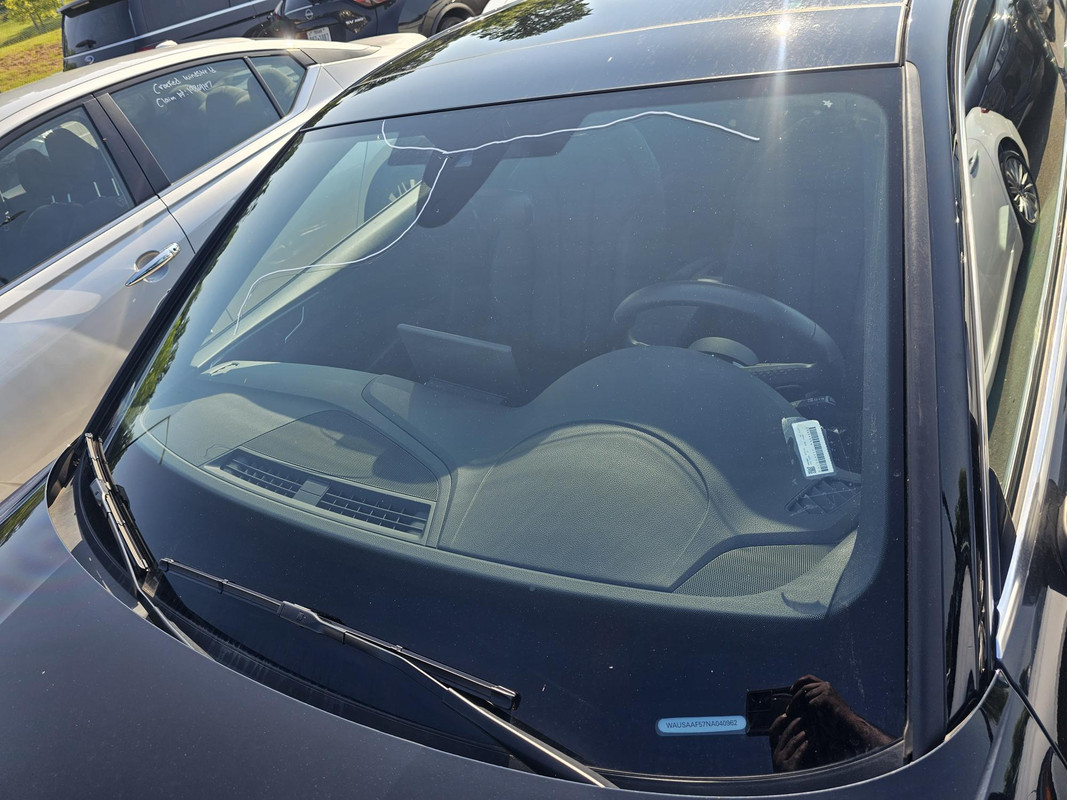
Road conditions add another layer. If you commute from Woodfin to downtown or out toward 26, you hit stretches with salt or brine residue in winter and gravel roll‑outs after shoulder work. Windshields catch more rock chips here than coastal towns I’ve worked in. A chip with legs longer than a quarter can be repairable if you catch it the same day. Wait a week of freeze‑thaw, and it snakes into your sightline. That’s where fast mobile help earns its keep. Folks often search for rock chip repair or windshield chip repair by ZIP, which is why you see terms like rock chip repair asheville 28804 and windshield crack repair asheville 28804 tossed around. Quick triage matters more than the wording.
Calibrations: static, dynamic, and when you need both
ADAS calibration in Asheville 28804 boils down to what the automaker specifies. Toyota often wants both static and dynamic. Honda tends to rely on static for forward cameras and dynamic for radar alignment checks. Subaru is particular about lighting and target distance. German brands can turn a calibration into an equipment puzzle worthy of a craft beer label.
Static calibration uses targets at exact positions relative to the car. We level the floor, find the thrust line, and align the target board within millimeters. The environment needs consistent lighting, no reflective distractions, and enough space to set distance properly. If your installer sets up in a cramped garage with sloped concrete and a target leaning on a toolbox, you’re not calibrating. You’re guessing.
Dynamic calibration runs the vehicle at certain speeds and distances, reading road markings and traffic. That means fresh striping helps. After a heavy rain or a fresh chip seal, dynamic calibrations can take longer. I’ve had runs that locked in within 10 minutes on a clean stretch, and others that needed a second loop because an unexpected fog bank rolled over the French Broad.
A few pro tips from field experience:
- Keep weight in the car as the manufacturer intends. A trunk full of river rocks from a weekend landscaping run changes ride height enough to throw off camera angles. Yes, I learned that the funny way. Tire pressures should be correct. A soft front right puts the car on a slight lean, which the camera “sees.” Don’t tint the frit area or the camera window. Even a light shade can confuse sensors that expect clear glass.
If you’re reading through service options like ADAS calibration asheville 28804 or windshield calibration asheville 28804 and wondering whether you need it after a replacement, the rule of thumb is simple: if your car has forward‑facing cameras or radar behind the glass, yes.
A field story that explains the stakes
A family in 28804 brought me a late‑model RAV4 after a chain shop installed an aftermarket windshield. Everything looked tidy. The glass had the correct rain sensor pad and the bracket seemed right. On the highway, lane tracing ping‑ponged and the car insisted it was drifting when it wasn’t. The shop had done a dynamic calibration only, on a route with fading lane paint. We ran a static session on a leveled surface, found the camera bracket off by a hair, and measured the glass set about one millimeter low on the passenger side. That tiny drop translated into a yaw error. We re‑set the windshield with proper bracing, let the urethane cure for the full window, then reran static and dynamic calibrations. The system settled down and behaved as expected on a test loop over Reems Creek and back.
It wasn’t that the aftermarket glass was “bad.” It was a chain of small misses: a bracket variance within “allowed” tolerance that still stacked with a low set and a rushed calibration. OEM glass would have swallowed the bracket variance entirely. With aftermarket, we had to control the other variables more tightly.
Insurance, cost, and the right way to make your claim
North Carolina drivers often carry glass coverage, and insurers will usually authorize OEM glass when safety features hinge on it. The trick is documentation. Provide the build sheet or a clear list of features: head‑up display, heated wiper park, acoustic glass, lane cameras, rain sensor, embedded antenna. If the claim rep hears “plain windshield,” you’ll be routed to a generic panel that may not support your options.
I include pre‑scan and post‑scan reports with the claim and note the calibration requirements. That paper trail helps justify the correct part and the calibration labor. On a straightforward ADAS car, budget for the glass, moldings or clips, adhesive, and the calibration session. Prices vary with brand and availability. A no‑sensor windshield on an older pickup can be a few hundred installed. A full‑featured windshield on a German SUV can jump into four figures. The cost of doing it twice is always higher than the cost of doing it right once.
Mobile service in 28804, and when a shop bay is smarter
Mobile auto glass service in Asheville 28804 is a lifesaver for chips and many replacements. I run a mobile rig that keeps glass at temp, packs OE‑approved urethane and primers, and carries targets for static calibrations when the site allows it. But there are times a controlled bay wins. If your driveway slopes or we can’t control lighting for a picky brand, I’ll recommend a shop session. It’s not upsell, it’s physics. We can still pick up and drop off, or meet at an address with the right space.
For small cracks and chips, mobile windshield repair gets you back on the road fast. A resin repair takes 20 to 45 minutes, and the goal is to stop the spread, restore structural continuity, and keep it from creeping into your sightline. If the crack touches the edge or you can feel displaced glass with a fingernail, replacement is safer. Don’t wait through a freeze. That’s when small damage becomes a long scar.
The Asheville address alphabet soup and why it shows up online
Search for service by ZIP in Buncombe County and you’ll see every combination under the sun: auto glass asheville 28804, 28804 auto glass asheville, asheville windshield replacement 28804, plus every neighboring ZIP like 28801, 28802, 28803, 28805, 28806, and the PO codes such as 28810 and 28816. It looks like alphabet soup because drivers search the way they think: by the number on their mail or the area they drive. If you live in 28804 but work in 28801, you’ll see results for both. A good provider covers the whole cluster, and the process doesn’t change along the ZIP line. What changes is traffic, parking, and how we plan dynamic calibration routes.
The short checklist I share with Asheville drivers before booking
- Gather your VIN, feature list, and photos of the sensor area behind the mirror. Decide where the car can sit level and undisturbed for the safe drive‑away time. Ask whether your specific part supports head‑up display, heated zones, and antennas if your car has them. Confirm static or dynamic ADAS calibration plans and equipment. Plan your day so the car isn’t rushed back onto bumpy roads during cure.
What a careful replacement looks like, start to finish
When I schedule a windshield replacement in 28804 for a feature‑packed car, I block enough time for the full arc. We start with a health scan, not because we expect alarms, but to baseline the modules. The trim comes off with the right tools to save clips, not a flat screwdriver chewing plastic. The cowl lifts clean so leaves, acorns, and Asheville’s prolific pollen don’t fall into the bond. We dry fit the new glass to check bracket alignment and VIN window clarity. Primers go on glass and body flange according to the adhesive manufacturer’s timing chart for the day’s temperature and humidity.
Setting the glass is a two‑person job with a mechanical assist when the curve demands it. Once seated, we sight the frit line evenly on both A‑pillars and use centering blocks if the vehicle calls for them. The mirror assembly and sensors go back with new pads where needed. Then we honor the safe drive‑away time, even if you’re eager to scoot down Charlotte Street. During that window, we set up for calibration, laser‑level the targets, and knock out the static steps. If the car requires a dynamic run, we plan a route with clean markings, minimal stoplights, and enough speed for the system to learn. We finish with a post‑scan and a road test that checks lane keeping, adaptive cruise, auto high beams, and rain sensor behavior. If anything feels off, we fix it before you get the keys.
That attention to detail is overkill for some older vehicles. A 2002 Tacoma needs a clean bond and good wiper sweep more than a target board. But as soon as the mirror area sprouts cameras and sensors, the process above keeps your car’s personality intact.
A word on side and back glass, while we’re here
Side windows and back glass don’t carry the same calibration burden, but they still matter. A rear windshield on a hatchback often houses defrost grids and antennas. A sloppy splice kills reception. Back glass replacement in the Asheville ZIPs should include a proper seal to keep mountain rains out and prevent exhaust intrusion. Side glass on frameless doors, especially coupes parked on hilly driveways, needs careful alignment to prevent wind hiss at 45 mph on I‑240. For sliders on trucks, good urethane beads and patient cure times are your friends when winter rolls over Elk Mountain.
The edge cases I see in 28804
Two patterns pop up more often north of downtown. First, vehicles that park under trees. Sap and pollen mix into a film that eats wipers and makes the rain sensor “hunt.” If your wipers chatter two weeks after a new windshield, clean the glass with a mild abrasive cleaner designed for auto glass, not household products. Second, gravel cut‑throughs after road work. Fresh chips show up in clusters after those days. If you catch them early, auto glass chip repair in asheville 28804 can save the panel. Wait for freeze‑thaw and the crack walks to the edge.
I also see more EVs in the neighborhood now. EV windshields tend to be heavy with acoustic layers, and calibration on their driver‑assist systems is less 28813 side window replacement asheville forgiving. Budget time for both static and dynamic sessions, and avoid cheap glass that deletes the acoustic interlayer. The cabin noise change is obvious on the Blue Ridge Parkway.
Final thought, minus the fluff
Your windshield isn’t just a view of the Blue Ridge. It’s part of the car’s brain and bones. If you’re lining up asheville windshield replacement 28804, protect the features you paid for by matching the right glass, bonding it right, and calibrating with care. The result feels boring in the best way. The car behaves exactly like it did before the rock on I‑26 got frisky, lane keep holds, the rain sensor minds its manners, and your favorite station comes in clean on the way past Beaver Lake. That’s the quiet victory of doing auto glass right in Asheville.
If you’re stuck choosing between “good enough” and “exactly right,” choose the path that respects the cameras, coatings, and brackets hiding in that shiny sheet. Your commute will thank you, and so will your nerves when the first summer downpour hits Merrimon just as night falls.